/Register
Abandoned Object Detection on Yocto Linux & SECO COM-HPC

Abandoned Object Detection on Yocto Linux & SECO COM-HPC

March 31, 2026

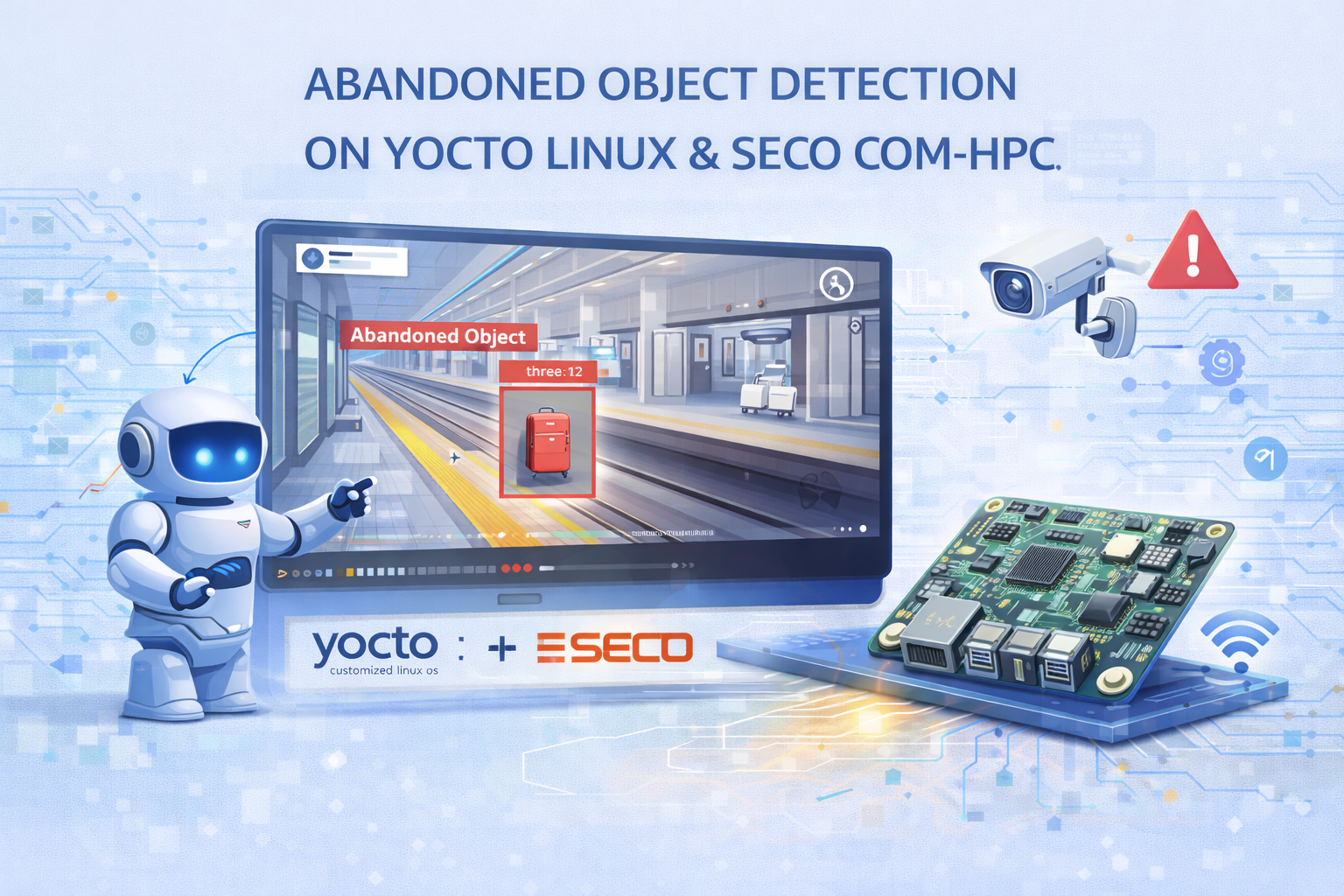
Abandoned object detection is an important application for digital surveillance systems (DSS). Traditionally, this application was handled by powerful centralized computers, but modern AI systems can perform sophisticated object detection and tracking at the edge. To keep costs and development time down, these AI-powered DSS systems should use general-purpose, open-standard hardware and software wherever possible.

Connected motor control with NXP i.MX RT1060 & Zephyr RTOS

Connected motor control with NXP i.MX RT1060 & Zephyr RTOS

March 31, 2026

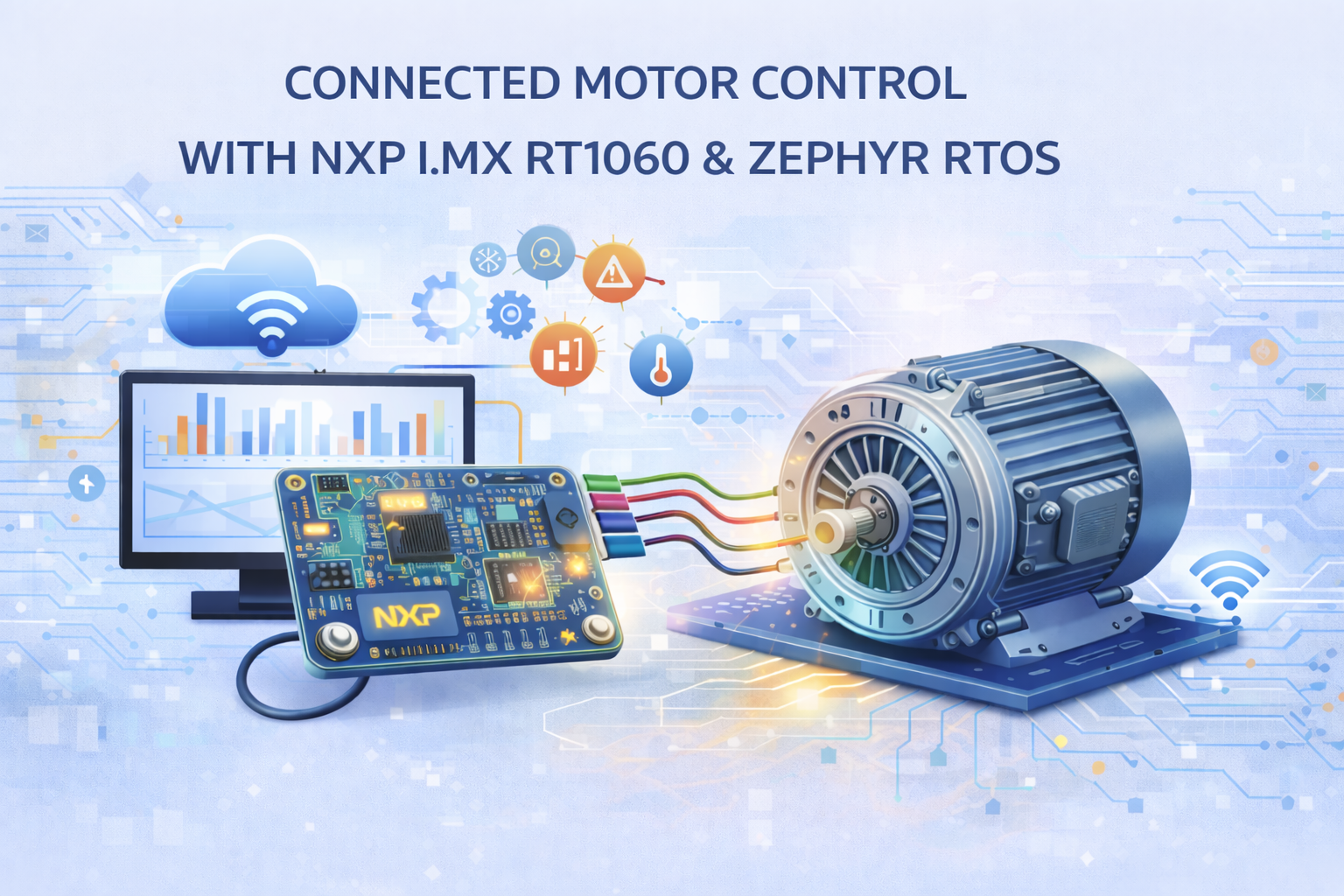
Modern motor control systems have tough demands. They require precision control, advanced onboard intelligence, and seamless connectivity to larger industrial automation systems. By leveraging the Zephyr Real-Time Operating System (RTOS), developers can quickly leverage these hardware capabilities. Specifically, Zephyr’s comprehensive driver support and real-time scheduling capabilities, allowing them to focus on their motor control application logic rather than low-level peripheral configuration.

Multicore debugging challenges in Zephyr RTOS: Part 3 – Inter-core messaging

Multicore debugging challenges in Zephyr RTOS: Part 3 – Inter-core messaging

March 31, 2026

In modern embedded systems, especially those with multiple cores, it’s common to divide tasks between different cores or threads to make the system faster, more responsive, and energy efficient. For this to work well, the cores need a safe way to share data and stay in sync with each other. That’s where Inter-Process Communication (IPC) comes in. It allows different processes to exchange information and work together smoothly. IPC can be achieved through two main methods: shared memory and message passing, both of which are supported by the operating system to ensure efficient and reliable communication between processes.

Multicore debugging challenges in Zephyr RTOS: Part 2 – Cache coherency

Multicore debugging challenges in Zephyr RTOS: Part 2 – Cache coherency

March 31, 2026

This second installment focuses on how to detect cache coherency issues, which are another common problem in multicore systems with multiple cores that must play well together. Before we dive in, let’s first review how caches can be organized in a multicore system. The diagram below shows how cache memory in a quad-core system is typically divided into L1, L2, and L3.

The evolution of memory protection and isolation techniques

The evolution of memory protection and isolation techniques

March 12, 2026

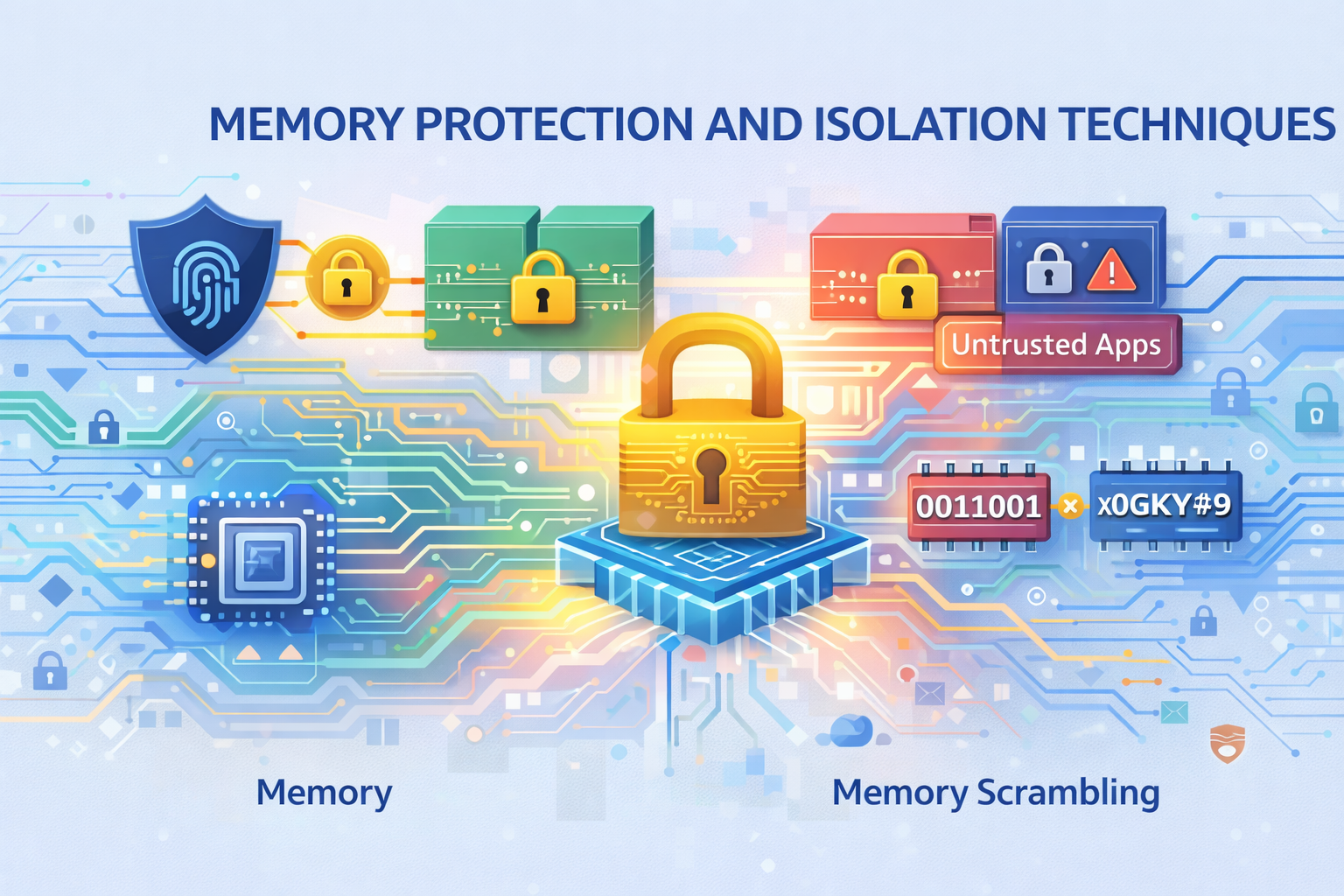
Modern embedded systems must deal with all sorts of security threats, so memory protection has come a long way since its inception. It started with basic tools like the MPU (Memory Protection Unit), but now we have more advanced tools and features like hardware firewalls, Secure Boot, and TrustZone. Each of these plays a specific role in memory protection and isolation, and together, they can be layered to create a very secure and robust system.

Quality inspection virtual assistant with ADLINK COM-HPC, YOLOv8 & View AI WITH ADLINK COM-HPC-ALT SERVER

Quality inspection virtual assistant with ADLINK COM-HPC, YOLOv8 & View AI WITH ADLINK COM-HPC-ALT SERVER

March 11, 2026

Quality inspection is an essential part of any manufacturing process. For many industries, such as food packaging, AI vision systems can track objects and spot defects faster and with greater accuracy than traditional human inspection teams. Recent AI innovations have also made it possible to take this raw data and generate instant natural-language insights. The result is increased production efficiency, as reports vital for system performance can be generated automatically.

Secure JTAG with i.MX RT106x

Secure JTAG with i.MX RT106x

March 11, 2026

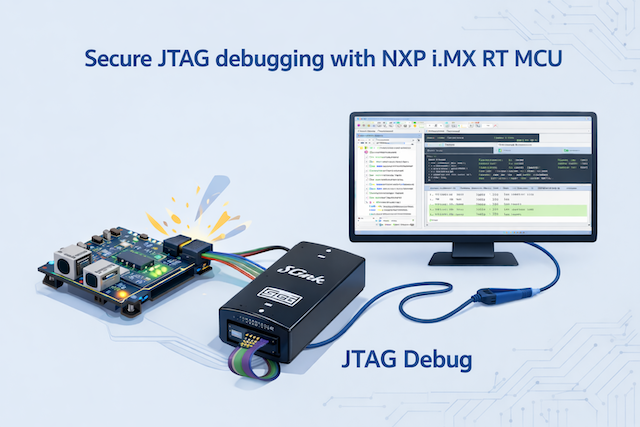
JTAG is a powerful tool for testing and debugging embedded systems, but when unprotected, it can leave your devices vulnerable to threats like firmware extraction, memory tampering, and unauthorized access. Securing JTAG interfaces is key to keeping your systems safe and reliable. By protecting your devices at the hardware level, you not only safeguard your technology but also inspire confidence in your customers and strengthen your brand’s reputation. Make security a selling point because trust starts from the inside out.

© ThroughPut Marketing 2026All rights reserved
LMR Media & Marketing | LLC dba ThroughPut Marketing | 3104 E Camelback Rd | Unit #7781, Phoenix, AZ 85016